
Can a robot replace a professional dog walker? A robot may be able to move along a sidewalk with a leash, but professional dog walking involves noticing changes in a dog’s behavior, making safety decisions, and building trust. That is why I would choose a reliable, experienced person to care for my dogs.
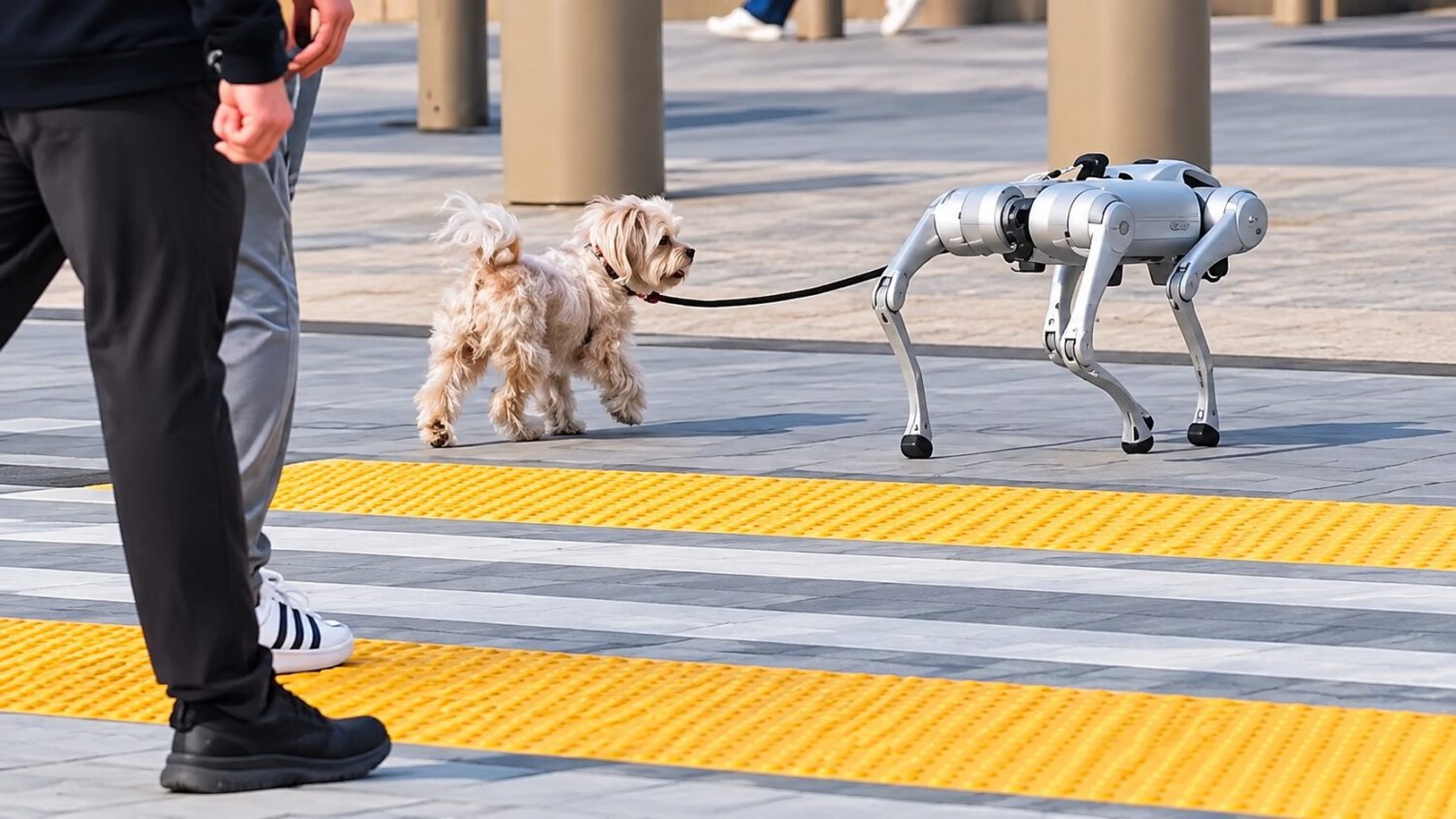
Footage captured by Stephanie Lin and distributed by Storyful shows a four-legged robot accompanying a real dog on a San Francisco sidewalk. It is fascinating to watch, and it raises a question for dog owners closer to home: what does a human dog walker actually do beyond holding the leash?
What a Professional Dog Walker Notices on Every Visit
At Muddy Paws, we’ve cared for local dogs since 2007. Our walkers learn each dog’s usual routine and personality. That familiarity helps us spot when something seems different.
Small changes in behavior
A dog who normally rushes to the door might be unusually quiet. Another may move more slowly, hesitate on stairs, or seem less interested in a favorite route. These observations don’t replace veterinary care, but they can give owners valuable information.
Changes during potty breaks
Bathroom habits are part of a walk, too. An unusual stool or difficulty going to the bathroom is worth noticing and communicating, rather than simply checking the walk off a schedule.
Safety issues along the route
An open gate, an approaching off-leash dog, hot pavement, a sudden noise, or a crowded sidewalk can change the plan in seconds. A walker needs to assess what’s happening and adjust for the dogs in their care.
Weather is one example of why those decisions matter. The American Veterinary Medical Association’s warm-weather pet safety guidance explains why heat can change what is appropriate for an outing. A walker needs to respond to the conditions and the dog, rather than follow a route automatically.
Why Small-Group Dog Walking Takes Human Judgment
Our weekday small-group dog walks generally include two to five dogs, on leash. We don’t use dog parks or operate a daycare. We carefully manage the group as we walk, paying attention to how each dog responds to the others and to the environment.
Some dogs love walking side by side. Others need more space or a slower introduction. Good group walking is about reading body language and making decisions before a situation becomes stressful.
Why I Would Not Trust a Robot to Walk My Dogs Today
I respect the human knowledge and experience that go into building intelligent machines. Technology may eventually help with more pet-care tasks. But the knowledge behind a robot does not give me the same confidence as a reliable person with hands-on experience caring for dogs.
After 20 years as a professional dog walker and pet sitter, I have seen what can go wrong. A walk can change quickly when a dog gets frightened, another dog approaches, equipment comes loose, or something seems different about a pet’s behavior. I want someone who can notice what might happen and avoid a problem altogether or respond positively if something goes awry.
At this time, I would not trust a robot to walk my own dogs. I would want a professional dog walker with reliability, experience, and the judgment to handle an unexpected situation. I would hold an inexperienced person to that same standard. My dogs are my babies, and I would not hand over their care simply because someone, or something, can hold a leash.
A demonstration video does not establish that a robot can independently handle a dog’s welfare, behavior, interactions, or unexpected situations. For me, trust comes from experience, consistency, and knowing who is responsible for my pets.
And we still have one very practical question: who’s picking up the poop? 😂
Questions I Would Ask Before Trusting a Robot Dog Walker
What if the dog is frightened by the robot?
I would worry that some dogs might be freaked out by a robot walking so closely beside them. Would a dog shut down and refuse to move? Try to flee? Become defensive and go into fight-or-flight mode? I am not saying every dog would react that way. I am asking how a robot would recognize that a particular dog is uncomfortable and respond before things escalate.
A professional dog walker needs to watch the dog’s body language, consider what might happen next, and adjust the space, pace, or plan when needed. Getting a dog from one point to another is only part of the job.
What happens if the dog marks the robot?
Dogs mark things. What if the dog urinates on the robot? Is the equipment designed to handle that exposure, or could it malfunction? Without knowing the model and its protections, I would not assume either answer. That is a practical question I would want answered before trusting it with my dogs.
What if the robot loses power or stops working?
What happens if the robot loses power, malfunctions, or stops working unexpectedly halfway through a walk? Who has control of the leash? Who keeps the dog safe if it pulls, panics, or tries to get away? How quickly can a responsible person step in?
I would want a clear backup plan and a person who is accountable for my pet. Technology can fail, and people need backup plans too. For me, a professional dog walker’s reliability includes being prepared to deal with what happens, not simply expecting everything to go smoothly.
Real Relationships Matter in Professional Dog Walking
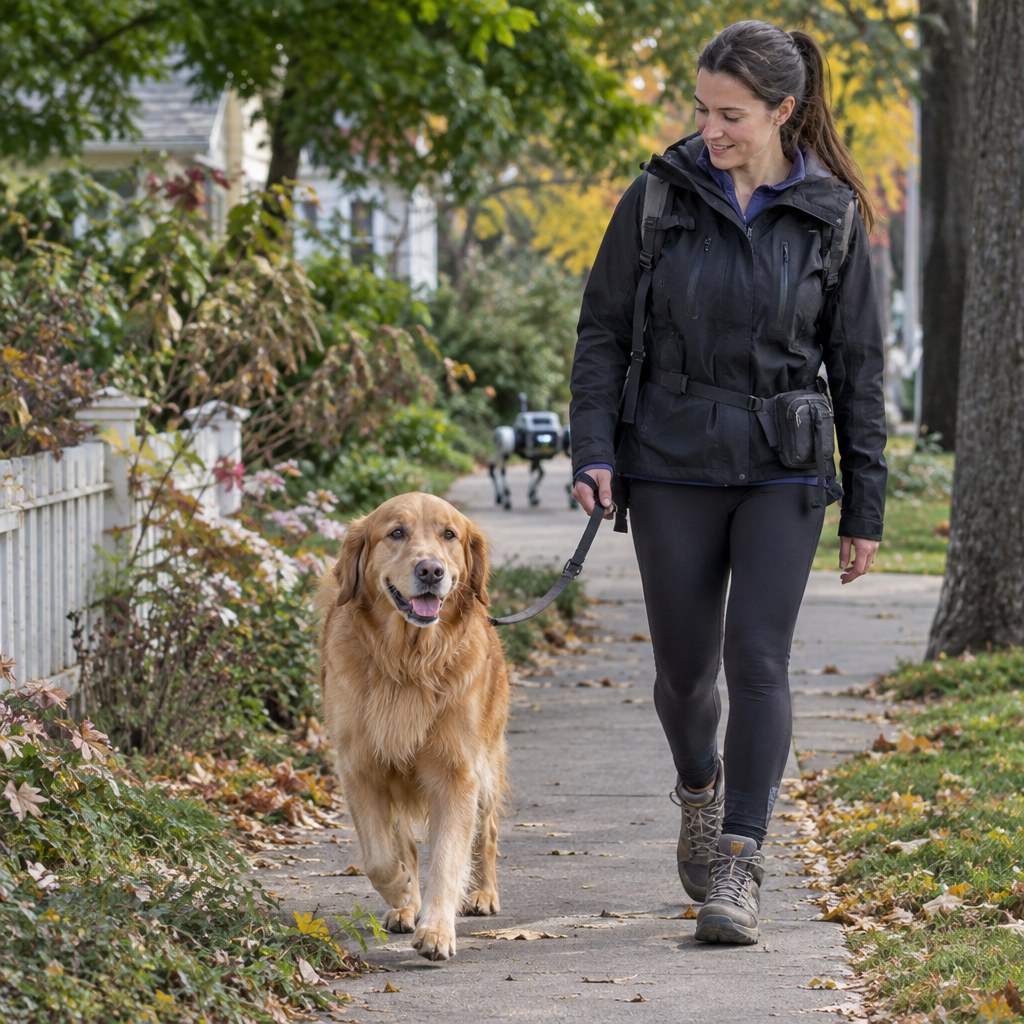
Dogs get to know their walkers. They recognize voices, familiar routines, and the people who show up consistently. Our team gets to know their quirks, too: who’s eager to get moving, who needs a little patience, and who will absolutely try to chase a squirrel.
Muddy Paws provides dog walking and pet care in Woburn and nearby communities, including Winchester, Stoneham, Burlington, Reading, Medford, and Lexington. If you’re looking for dependable weekday walks, learn more about Muddy Paws dog walking and pet sitting and how our small-group walks work.
Choosing a Professional Dog Walker for Your Dog
When choosing a professional dog walker, ask how the walker gets to know your dog, handles unexpected situations, and keeps you informed. Discuss your dog’s comfort around other dogs, usual pace, and any care instructions before the first visit. For a group walk, ask how dogs are matched and how the walker manages space between them.
Consistency and communication matter as much as the route. A dependable professional dog walker should have a clear plan for home access, visit updates, and contacting you if something seems different. Learn more about the benefits of Muddy Paws small-group dog walks, or ask about availability for your dog.
Would you trust a robot to walk your dog, or are some jobs better left to humans?
Frequently Asked Questions About Robot Dog Walkers
Can a robot safely walk my dog by itself?
A viral demonstration does not establish that a robot can independently handle every real-world safety situation. A responsible human still needs to account for the dog’s behavior, surroundings, and welfare.
What makes a professional dog walker different?
A professional walker observes changes in behavior and movement, manages interactions with other dogs, adapts to the environment, and communicates with owners about the visit.
Does Muddy Paws offer group dog walks in Woburn, MA?
Yes. Muddy Paws offers on-leash small-group dog walks during weekday midday hours for dogs suited to walking with others.
