
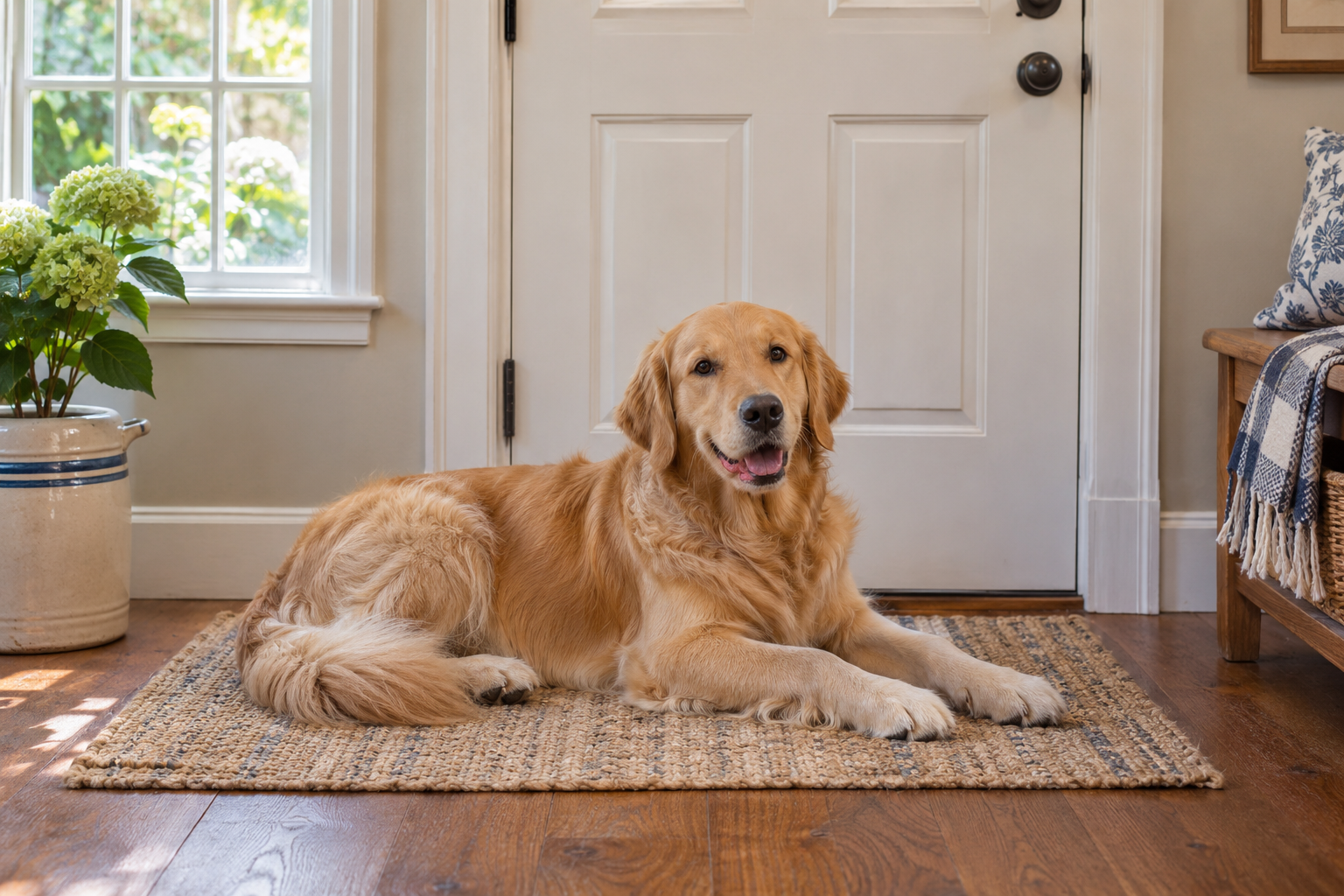

Signs of separation anxiety in dogs can include pacing, excessive barking, whining, panting, destructive behavior, and attempts to escape when left alone. Some dogs become anxious as soon as they notice their owner getting ready to leave, while others show signs of distress after the door closes.
It’s not always easy to tell whether your dog is experiencing separation anxiety, boredom, or simply reacting to something happening outside. Understanding when these behaviors occur and how your dog responds to being alone can help you recognize potential problems and determine when professional guidance may be needed.
What signs of separation anxiety in dogs should you watch for?
Start with observable details. Does your dog walk repeatedly between the window and the door? Do they begin panting before you pick up your bag? Are they able to lie down and rest after you leave? Write what happened instead of calling the dog dramatic, stubborn, or spiteful.
Movement and difficulty settling
Repeated pacing, trembling, and an inability to settle deserve attention, especially when they appear around departures. Consider the context: panting after exercise on a warm day tells a different story from panting in a cool room during a brief absence. One signal needs interpretation alongside the rest.
Vocalizing and attempts to follow
Barking, whining, howling, scratching at an exit, or trying to escape may occur. Note when the behavior starts, what the dog is looking toward, and whether it repeats. A dog barking at a delivery vehicle may have a different problem from a dog who becomes distressed whenever a particular person leaves.
Changes in everyday behavior
Toileting indoors or leaving food untouched may be part of the picture. They also raise other questions. Was the dog given a toilet opportunity? Is the food familiar? Is there a health issue? Your observations help a professional explore those possibilities without jumping straight to a label.
How can you tell distress from other problems?
Similar results can come from different needs. A chewed cushion does not tell you whether a dog was exploring, bored, frightened, or responding to something outside. Use the following comparison as a way to organize questions, not as a home diagnostic test.
| What you notice | Questions to investigate | Useful next step |
|---|---|---|
| Barking while you are away | Does it follow your departure or a sound outside? | Compare the recording with the timing of outside activity. |
| An indoor accident | Is toileting also changing when you are home? | Review toilet opportunities and speak with your vet. |
| Damage near an exit | Was the dog repeatedly trying to follow or escape? | Address immediate safety and arrange professional help. |
What should you record before asking for help?
If you already have a home camera, position it to show the space your dog normally uses. Do not create a frightening test or leave a dog in an unsafe enclosure to obtain footage. Stop an assessment when distress appears and seek guidance about the next step.
- Record the departure time and who left.
- Note the dog’s activity before the departure.
- Write when the first change in behavior appeared.
- Describe movement, sounds, resting, and any attempt to escape.
- Note environmental events such as deliveries or construction.
- Share the pattern and relevant footage with your veterinarian.
A short factual note is more useful than hours of unwatched video. For example: “Walked at 11:30, owner left at 12:15, pacing began after the door closed, no resting observed before owner returned.”
What can you do while you arrange support?
Keep your dog’s immediate needs in view: a safe space, water, suitable activity, toileting opportunities, and a care arrangement that prevents avoidable distress. Ask your professional whether a familiar person staying with the dog is appropriate. Comfort with one caregiver does not automatically transfer to everyone.
Do not punish damage or barking after returning home. For more background on interpreting departure-related behavior, the ASPCA’s separation anxiety guidance explains why several other causes must be considered. Bring your own observations to a veterinarian rather than relying on a checklist alone.
Can regular dog walks help?
A walk can break up a weekday and provide movement, sniffing, and a toilet opportunity. It is one part of a care plan. A midday outing cannot protect a dog from distress that starts immediately after a morning departure or continues after the walker leaves.
Muddy Paws provides dog walking and pet sitting, including a standard 30 minute group walks. Group participation depends on fit, and the team needs to know about distress, handling concerns, and comfort around other dogs before assessing an arrangement.
Every dog has different needs, and finding the right routine can make a difference in their day. Regular walks provide exercise, mental stimulation, opportunities to socialize, and a chance to get outside while you’re away. While dog walking isn’t a treatment for separation anxiety, it can be a valuable part of your dog’s overall care routine.
Frequently asked questions
Can a dog have separation anxiety without destroying anything?
Yes. A dog may pace, pant, tremble, watch the door, or vocalize without damaging your home. A quiet house alone does not establish that a dog feels comfortable.
Does following me around mean my dog has separation anxiety?
Following you is not enough to identify separation anxiety. What happens during separation matters more than how closely your dog stays beside you when you are home.
Can a long walk cure separation anxiety?
A suitable walk can meet activity and toileting needs, but it does not establish that a dog feels safe alone. Suspected separation anxiety needs an individual assessment and appropriate behavior support.
Should I leave my dog alone to see how bad it gets?
Do not deliberately prolong an absence once distress appears. Use observations from ordinary life and discuss a safe assessment plan with your veterinarian or behavior professional.
Can a dog walker help a dog with separation anxiety?
A dog walker may provide a suitable outing and useful observations. A visit does not cover the whole absence, so the care arrangement must fit the dog’s current ability to cope.
When should I call my veterinarian?
Call when distress is repeated, sudden, worsening, or affecting normal life. Seek prompt veterinary help for injuries or escape attempts that put your dog at risk.
Ask Muddy Paws about a suitable walking routine for your dog.
